a good
place
to start

The Good Funeral Guide
If you have arrived here looking for advice about organising a funeral, you’ve come to the right place.
We aren’t interested in selling you anything. We offer free advice, information, and empowerment – we want you to feel in control.
The Good Funeral Guide is a not-for-profit organisation that exists to support, empower and represent the interests of dying and bereaved people living in the UK.
We can help if you need to organise a funeral now, or if you are thinking about making plans for the future, for yourself or for someone else who is approaching the end of their life.
On our website you will find information and suggestions if you are doing research on behalf of a friend or family member who has been bereaved.


Where do you begin?
We know how exhausting it can be to care for and accompany someone through the last days of their life.
We know how devastating and shocking it can be if you have experienced a sudden, unexpected death of someone close to you.
We understand how it can feel in those first, dreadful days after someone you love has died, when everything can seem broken and lost.
We know about the conflicting emotions that can arise; the regret, the relief, the guilt, the loneliness, the abject despair.
We know that it can help to understand exactly what you need to think about when you have to organise a funeral.
Funerals really matter
We believe that funerals are immensely important.
When someone dies, those of us who are left behind need to find a way of processing and assimilating their absence.
Without a chance to gather together and share memories and comfort each other, the disappearance of someone from our family or community can leave a lasting sense of never having had the chance to say goodbye.
For those closest to the person who has died, a funeral can bring a sense of completion, of honouring the person and appreciating all that they were and all that they meant to others.
Facing the reality of death amidst others who loved that person is so fundamental to us all – for thousands of years, humans have carried out rituals and honoured those who have died with ceremonies, special words and other ways of marking this immense and profound experience.
We think that everyone needs and deserves the chance to say goodbye when someone they love dies.
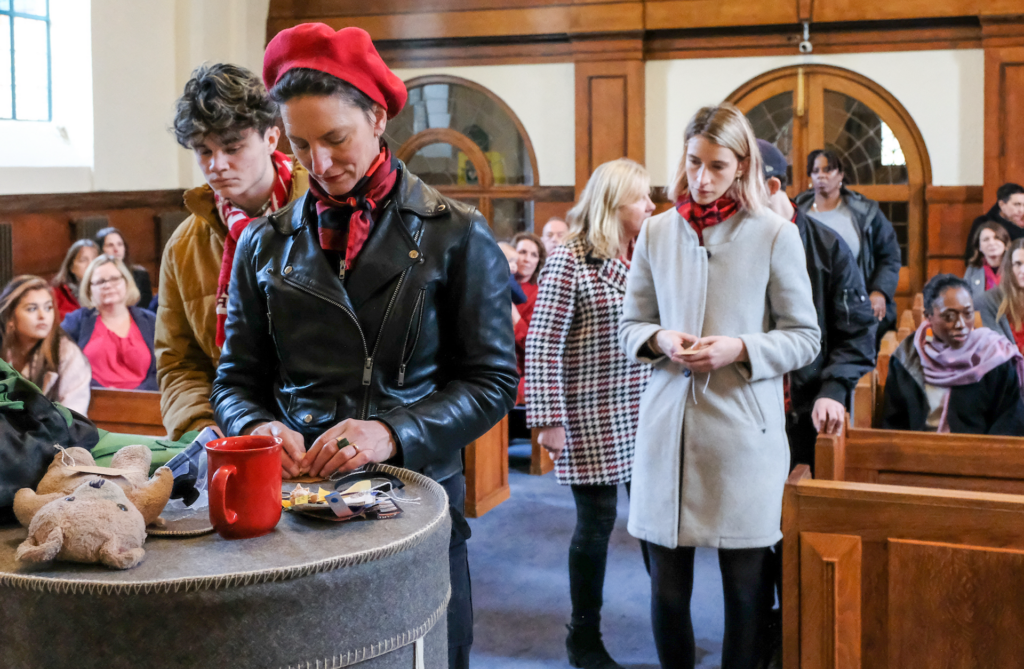

What has to be done?
When someone dies, the only legal requirements are that the death must be registered, and the body of the person who has died is disposed of by burial, cremation or any other legal means.
There is no legal requirement to hold a funeral. (Although we strongly recommend you do).
You can do this.
We know that every death is different, as individual as each of us. And we know that the experience of grief and loss is as unique as you are.
We believe that you know best. You know what you need. You might just want a little help in achieving it. We’re here to try and help with that.
We believe in the transformational power that a funeral can have when it is done well. We believe that every funeral can be a good funeral. And we believe that a good funeral is about what you say and do, not what you spend.
We have seen over and over again the difference that a truly personal funeral ceremony makes to people bereft by the death of a person they love.
We know how to help you achieve this, for yourself, for your family and for your friends and your community.


News from the GFG - 2026
- We held a fantastic one day event in October focusing on how we can better serve bereaved people by working together.
- We are actively involved in discussions with government about shaping any future regulation of the funeral sector in the UK.
- We have produced a suite of draft documents which are written in the public interest, NOT that of funeral directors. See our suggested Funeral Director Code here, and our Funeral Director Pledge here.
- We are working across the funeral sector with multiple organisations to explore how the funeral landscape in the UK is changing.
- We continue with our unique research into the impact of direct cremation.
- We contribute regularly to the Council of British Funeral Services meetings with other representatives from across the sector.
- We continue to press for transparency, clarity of language and an informed and empowered public in order that good funerals can be experienced by everyone.
Donate
The Good Funeral Guide is a not-for-profit organisation which exists to provide free, informed and independent advice for anyone who needs it.
If you find our website useful, please let other people know about it and share the link.
And if you are in a position to support us with a donation, this would be a lovely way to help others by ensuring we can continue our work.
We have a Crowdfunder here, or you can donate viaPayPal using the button below.
Thank you.